Friday, November 27, 2026 · On this day in 1895
Amidst the industrial advancements of the late 19th century, Alfred Nobel signed his last will to establish the Nobel Prizes
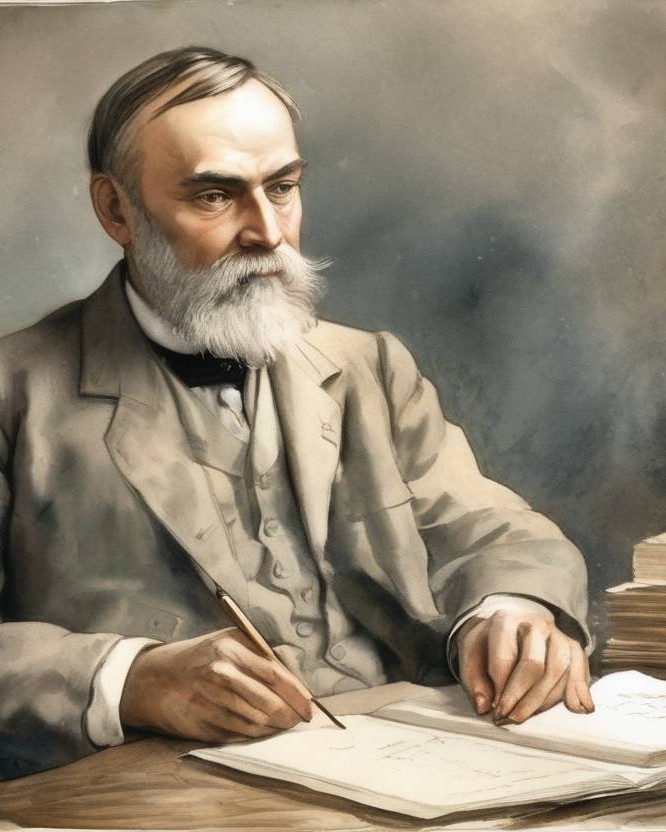
In 1895, a transformative vision was conceived within the walls of the elegant Parisian club, the Swedish-Norwegian Club. It was there that Alfred Nobel signed his last will and testament, paving the way for the establishment of one of the most prestigious accolades in the world: the Nobel Prizes. Alfred Nobel, a Swedish chemist, engineer, and inventor known notably for inventing dynamite, was deeply moved by a premature obituary branding him the "merchant of death." This impelled him to reimagine his legacy. Nobel's will outlined the creation of prizes in Physics, Chemistry, Medicine, Literature, and Peace—awards meant to honor those who “conferred the greatest benefit to humankind.” Year after year, since the first award ceremony in 1901, the Nobel Prizes have continued to celebrate advancements and humanitarian endeavors, reflecting Nobel's desire to leave a lasting impact on the world through the promotion of peace, scientific innovation, and cultural advancement.
Edited by Chris Schuld