Monday, November 9, 2026 · On this day in 1989
The Berlin Wall falls, leading to the reunification of East and West Germany
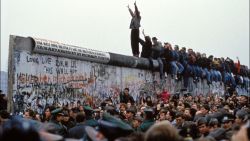
In 1989, one of the most significant events of the 20th century unfolded as the Berlin Wall fell, marking the impending reunification of East and West Germany. The Berlin Wall, a stark symbol of the Cold War, had divided Berlin since 1961, creating two separate socio-political spheres and effectively segregating families and communities. On November 9, 1989, after a series of revolutionary activities and mounting pressure from both domestic protests and international diplomacy, the East German government announced that citizens could cross the border freely. This announcement led thousands of East Berliners to flood through the checkpoints and cross into West Berlin, where they were met with jubilant crowds. People from both sides joined in celebration atop the once-daunting wall, chiseling away pieces as keepsakes or symbols of newfound freedom.
The fall of the Berlin Wall became a catalyst for German reunification. By October 3, 1990, Germany was officially reunified, dissolving the separate states of East Germany and West Germany into a single nation. This monumental event not only reshaped the political landscape of Germany but also signaled the weakening grip of Soviet influence over Eastern Europe, eventually contributing to the dissolution of the Soviet Union itself. The reunification of Germany served as a pivotal moment in European history, heralding the end of the Cold War and the beginning of a new era of democracy and cooperation on the continent.
Edited by Chris Schuld