Wednesday, August 12, 2026 · On this day in 1877
Thomas Edison completed the first model of the phonograph at his Menlo Park laboratory in New Jersey
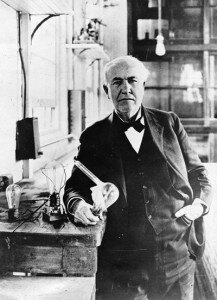
In 1877, a groundbreaking invention emerged from the brilliant mind of Thomas Edison, forever altering the way sound was captured and experienced by humanity. This invention, the phonograph, was the first device capable of both recording and reproducing sound. Housed in a modest laboratory in Menlo Park, New Jersey, Edison's path-breaking creation utilized a tinfoil cylinder and a hand-cranked mechanism to etch and retrieve sound waves. The historic invention marked a significant milestone in audio technology, laying the foundation for future advances in music and speech recording. The phonograph became an iconic invention, symbolizing the relentless spirit of innovation characterizing the industrial era. Its conception revolutionized entertainment and communication, heralding a new dawn where the human voice could transcend the barriers of time and space, a feat that had previously been relegated to the realms of fantasy and fiction.
Edited by Chris Schuld