Thursday, August 6, 2026 · On this day in 1962
Jamaica gained independence from the United Kingdom
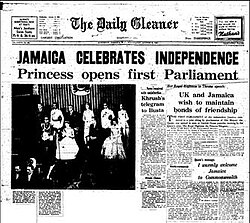
In 1962, Jamaica embarked on a significant chapter in its history by gaining independence from the United Kingdom, marking the end of over 300 years of British colonial rule. This historic event took place on August 6th, a date now celebrated annually as Jamaica's Independence Day. The push for independence was fueled by the relentless efforts of Jamaican nationalists and leaders, most notably Norman Manley and Alexander Bustamante, whose commitments to self-governance and social reforms were instrumental in shifting the island's political trajectory. Jamaica's transition to sovereignty was symbolized by the adoption of its own constitution, crafted to enshrine democratic principles and reflect the aspirations of a nascent nation.
The celebration of independence was marked by vibrant ceremonies and the lowering of the Union Jack, replaced by the black, green, and gold flag that symbolizes the Jamaican spirit: hardships there are, but the land is green and the sun shineth. Among the early efforts to forge a national identity was the establishment of cultural institutions and development projects, aimed at asserting Jamaica’s place on the global stage. The newly independent nation joined the United Nations in 1962, signaling its intent to engage with the international community, while also becoming a member of the Commonwealth of Nations. This pivotal moment set the stage for Jamaica's growth as a cultural powerhouse, renowned for its contributions to music, sports, and the arts, and served as a beacon of inspiration for post-colonial movements across the Caribbean and beyond.
Edited by Chris Schuld